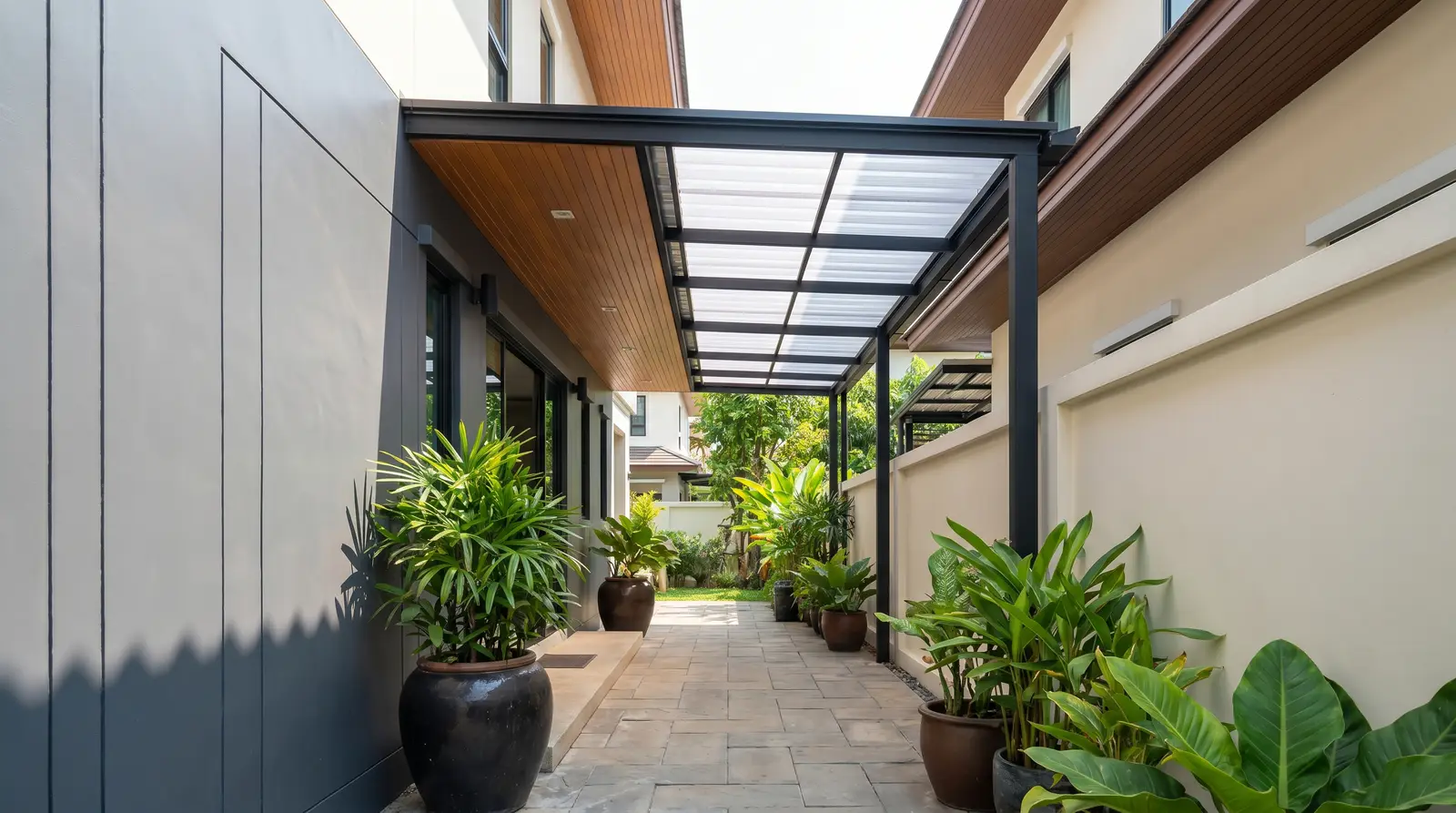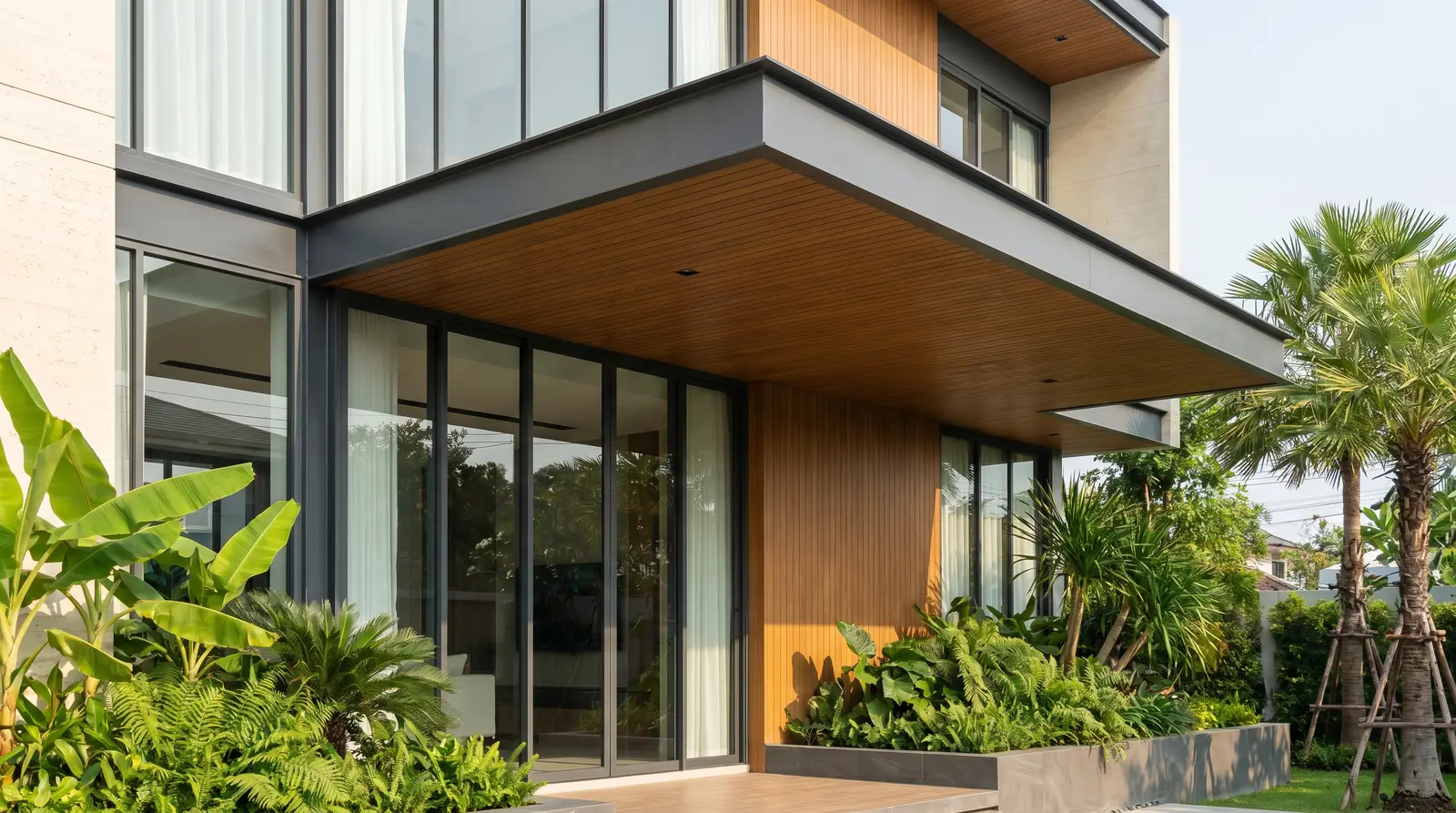
Steel doors and gates are something almost every home and building needs — front gates, entrance doors, carport gates and shopfront shutters — because they deliver strength, security and a look that can be tailored to the house. Today steel doors are no longer just the plain, heavy panels of the past: there are modern steel gates, steel gates clad with WPC battens, sliding gates, folding (concertina) gates and roller shutters. This guide covers steel doors from every angle — the main types and their uses, how to choose a front gate design, fittings like hinges and locks, rust protection, and the factors that drive price — so you can pick a steel door that looks great, lasts and is worth the money over the long run.
What a steel door is and where it fits
A steel door or gate is built from a steel frame and clad with steel — box sections, sheet steel, expanded metal or wrought iron. Its strengths are durability, impact resistance and the security it adds to a property. Steel is popular for front gates, carport entrances, side gates, and shop or warehouse doors. It suits any job that needs toughness or that must be made to exact on-site dimensions, because steel can be welded and shaped to almost any design.
The main types of steel door
Steel doors are grouped by how they open. Swing or hinged gates suit ordinary front fences. Sliding gates work well where space is tight and need easy access. Concertina (folding) steel gates are popular for shopfronts as they fold away and let air through. Roller shutters suit carports, warehouses and shops that need high security. There are also folding steel doors and expanded-metal gates that combine openness with strength. Choose the type based on the available space, the use and how often it will open and close.
Front gates and modern steel gate designs
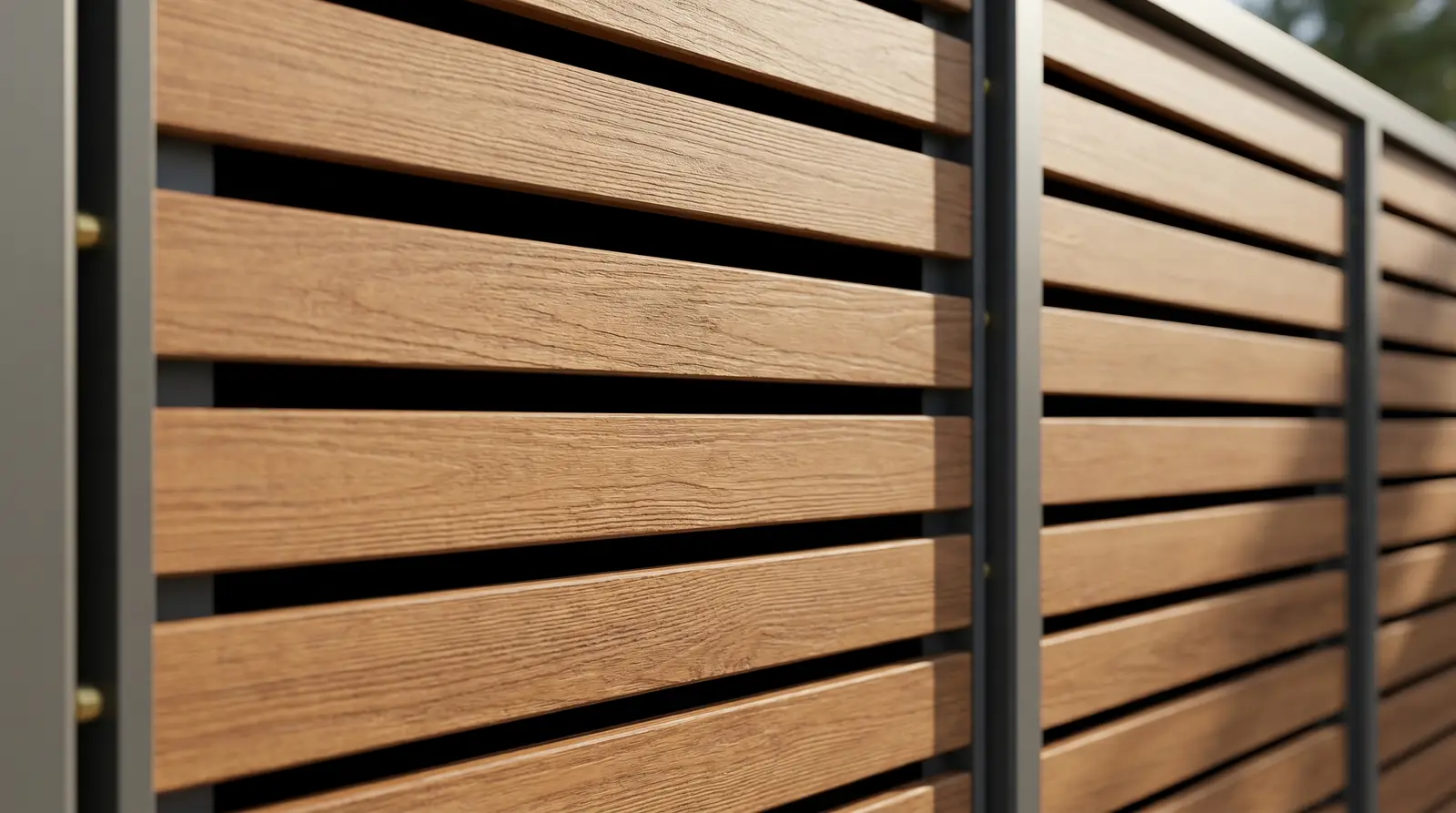
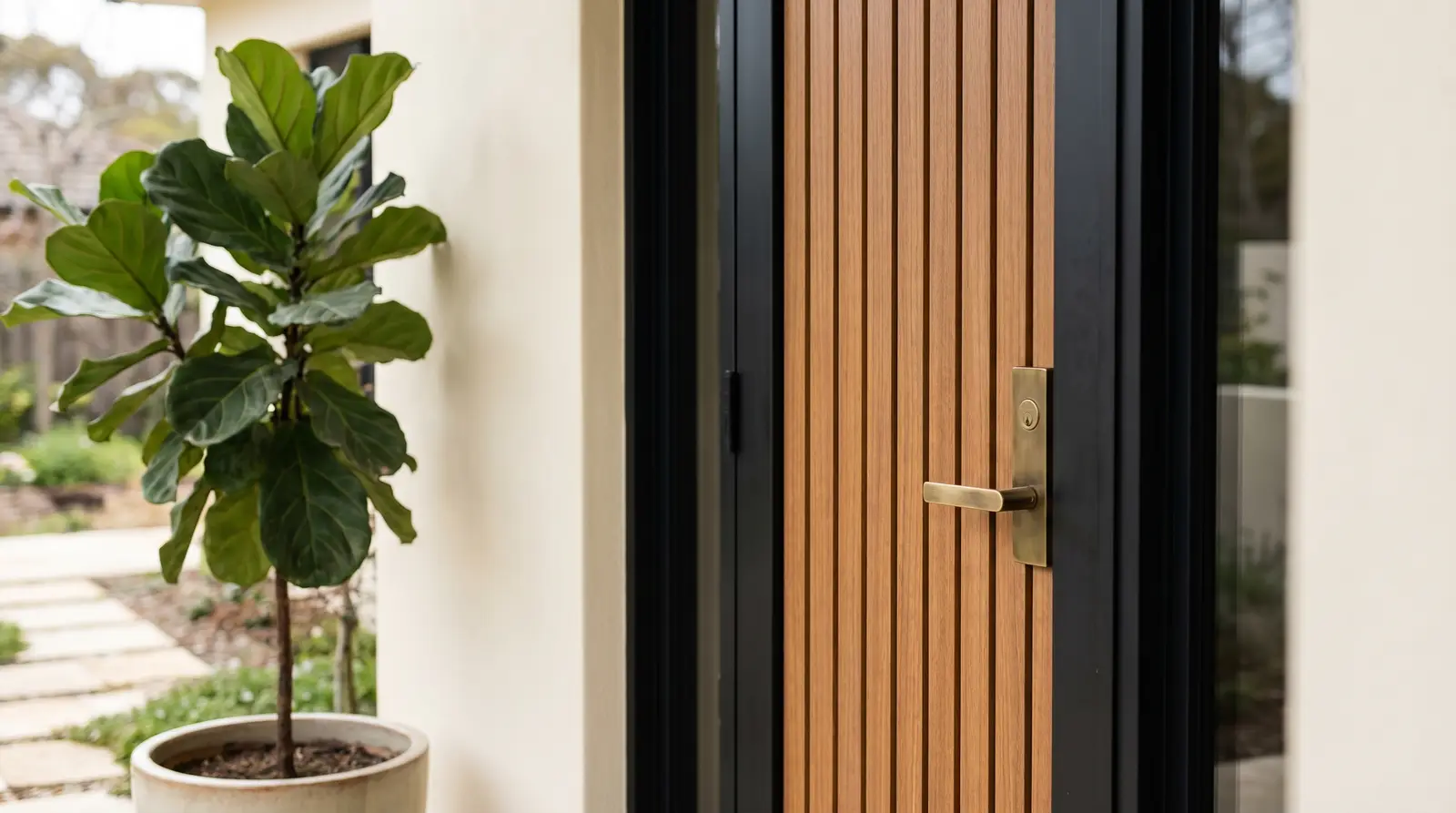
The front gate is the first thing people see, so many owners choose a modern steel gate with clean lines and dark tones. A very popular look right now is a steel gate clad with WPC battens — a steel frame for strength, faced with WPC to add the warmth of timber, screen sightlines and lift the whole look. You get the durability of steel and the beauty of wood in one piece, which is ideal for modern, minimal and muji-style homes that want an understated, premium feel.
Fittings: hinges, locks and security
A good steel door is about more than the panel — the fittings matter too. Hinges must be sized to carry the weight of the leaf; hinges that are too small make the gate sag and bind. Locks and bolts should match how the gate is used, whether mortice bolts, hasp latches or keyed locks. Homes that want stronger security can add an automatic motor with remote control. Choosing quality hardware from the start keeps the door operating smoothly and lasting far longer.
Rust protection and maintenance
Rust is the great enemy of steel doors, especially near the coast in areas like Samut Prakan and Chonburi where salt air is present. Good protection starts with galvanised steel or steel that is primed with an anti-rust coat before the finish paint. Welds should be dressed smooth and paint applied into every corner. Maintenance is simple: wipe it down regularly, and if you spot a paint chip or small rust point, sand and repaint it promptly so rust cannot spread into the steel.
What affects the price of a steel door
Steel door pricing depends on several factors: the size and weight of the leaf, the door type, the grade and thickness of steel, the complexity of the design, any cladding such as WPC battens or expanded metal, and the lock or motor system if required. Custom-made work costs more than off-the-shelf doors but gives you the exact size and design to fit the site. We recommend an on-site measurement and quote first, so the door matches your needs and stays within budget.