Steel fencing is a favourite for both homes and factories because it is strong, fast to install, easy to maintain and flexible enough to suit any style or budget. Yet many owners still ask how many types of steel fence exist and which one fits their needs. In this guide, NexSteel Solutions walks through each kind in detail — box-steel fences, wire-mesh fences, expanded-metal fences, prefabricated panels and modern slat screens. We also compare galvanised versus painted steel, explain powder coating and rust prevention, and cover weld quality, posts and footings, height and privacy, plus the factors that drive cost. By the end you will know how to pick the right steel fence for a home or a factory — one that is good value and built to last for years in Thailand’s hot, humid climate.
How many types of steel fence are there?
Steel fences fall into several families by material and use. The most common are box-steel fences made from welded square tube, wire-mesh panels, expanded-metal sheets, ready-made prefabricated panels and modern slat screens. Each offers a different mix of openness, privacy and price. The best choice depends on your site conditions and exactly what you want the boundary to do.
Box steel, wire mesh and expanded metal compared
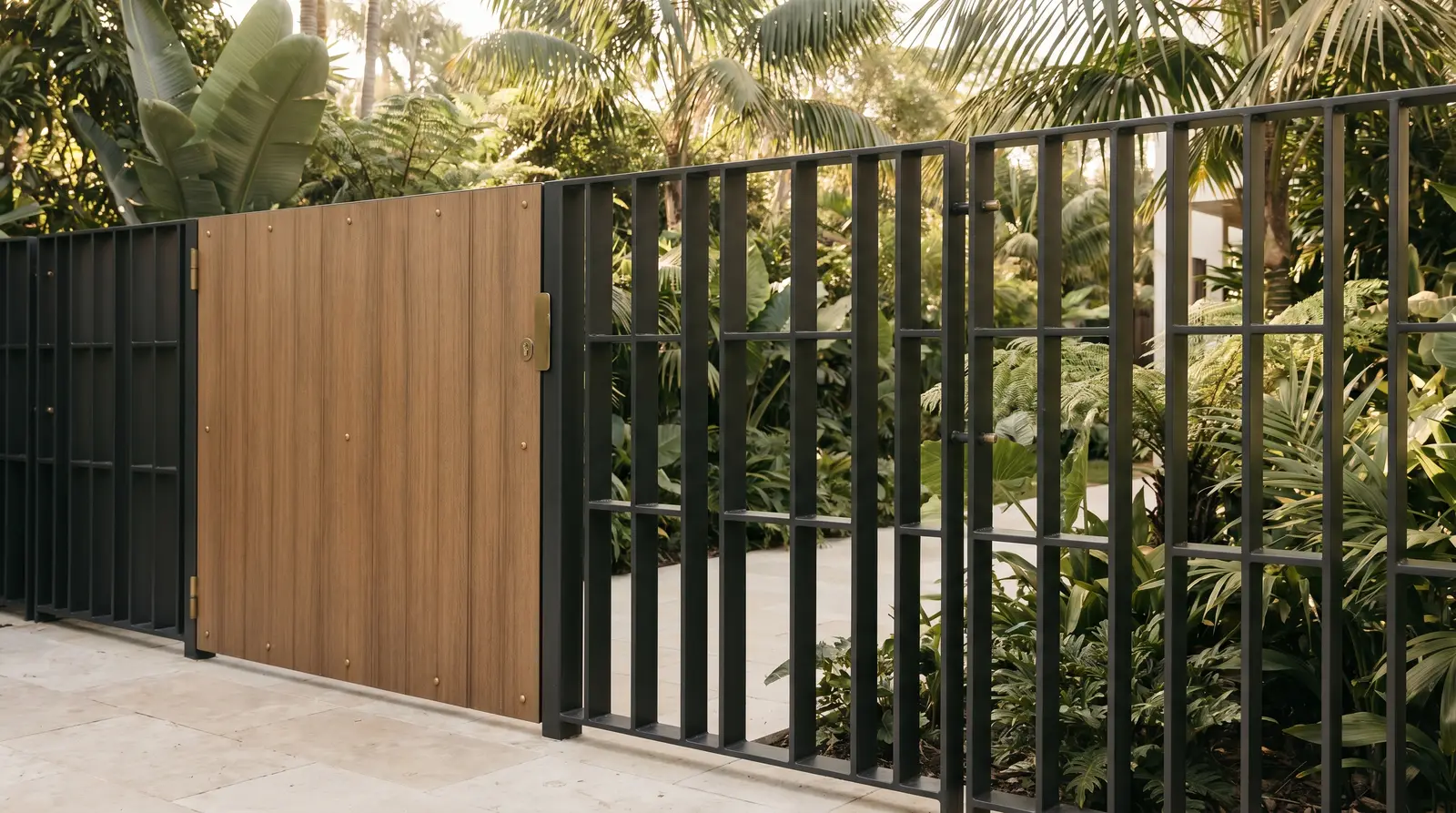
Box-steel fences are strong and easy to shape into patterns, ideal for homes and townhouses that value design. Wire-mesh fencing installs fast, costs less and stays see-through, suiting factories and vacant land that mainly need a clear boundary. Expanded metal gives a semi-open surface with good airflow and reasonable climb resistance, popular for industrial screens that need strength at a controlled price.
Prefabricated panels versus modern slat screens
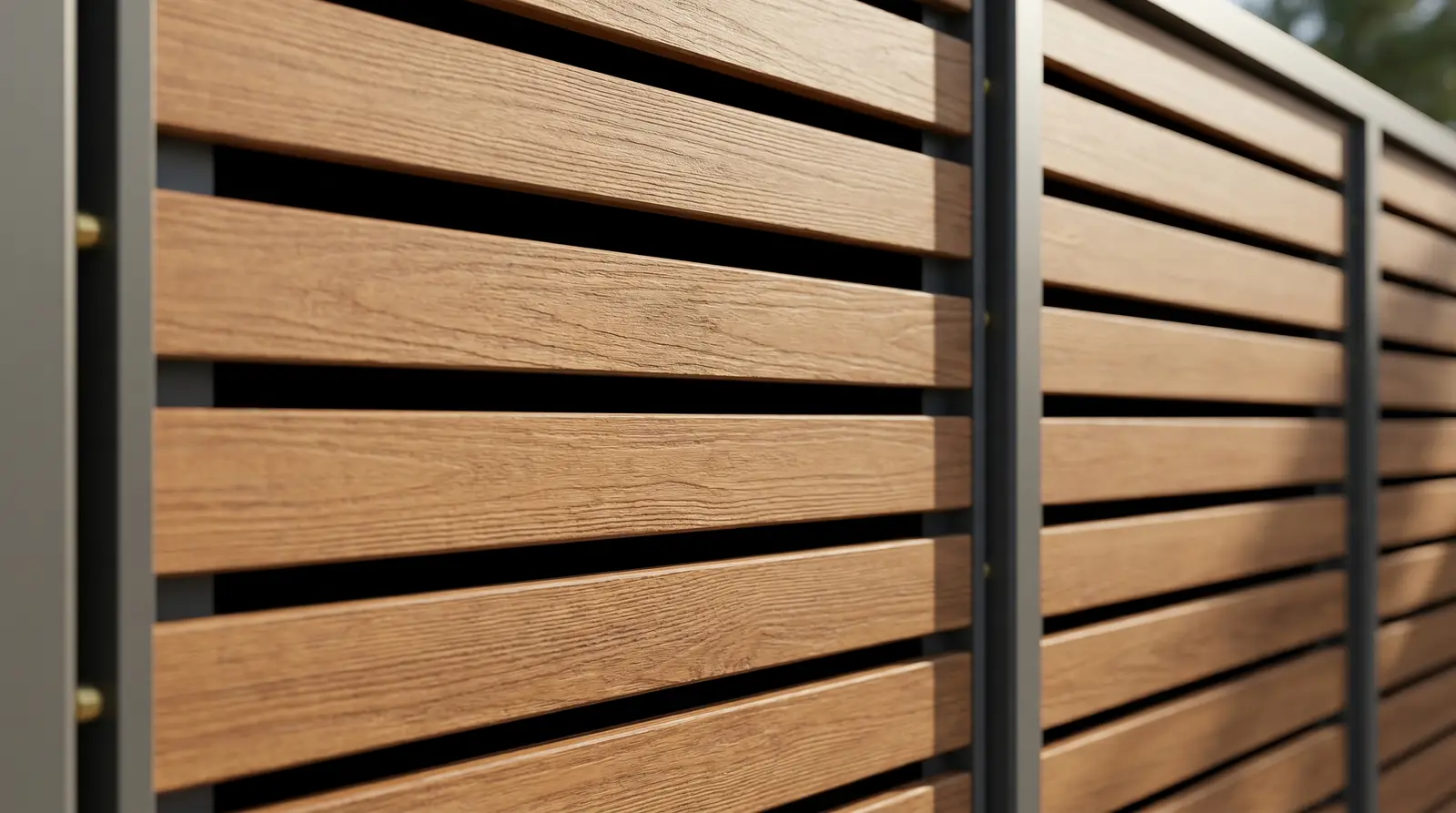
Prefabricated steel fences are produced as standard panels in the workshop, so they install quickly and cut on-site labour, perfect when speed and tidiness matter. Modern slat screens use box steel or flat bars arranged as fins for a clean, contemporary look; adjusting the gap lets you dial in openness or privacy. They suit minimalist homes that want a distinctive character at the boundary.
Galvanised steel, powder coating and rust prevention
Galvanised steel carries a built-in zinc layer, so it resists humidity and salt air well — a smart pick near the coast or in heavy rain. Ordinary steel should be primed with anti-rust treatment before powder coating, which gives a smooth, tough, weather-resistant finish that does not peel easily. Matching the rust-protection system to your environment can add many years to a steel fence’s life.
Welds, posts and footings: the backbone of durability
A steel fence is only as strong as its welds and footings. Welds should run full and free of pinholes, then be ground smooth before anti-rust coating. Posts must be set into the ground and concreted level, spaced correctly to handle wind load and panel weight. Weak footings let a fence lean or settle over time, so a well-planned frame matters right from the start.
Choosing for home or factory, and how to maintain it
Homes usually favour box-steel or slat fences for looks and privacy, while factories and land lean toward wire mesh or expanded metal for budget control and a clear boundary. Pick the height to match the security you need. Maintenance is simple: wash off dust, check for scratches, and touch up any rust spots periodically to keep the fence looking sharp and performing for years.