Before choosing composite wood, almost everyone searches the same two questions: what exactly is WPC, and how does it differ from real timber or ordinary synthetic boards? This guide covers the material itself, the types sold in Thailand, where it works and where it does not, how to judge grade before you buy, and the real per-square-metre cost and lifespan — so you can brief a contractor properly.
What WPC is made of
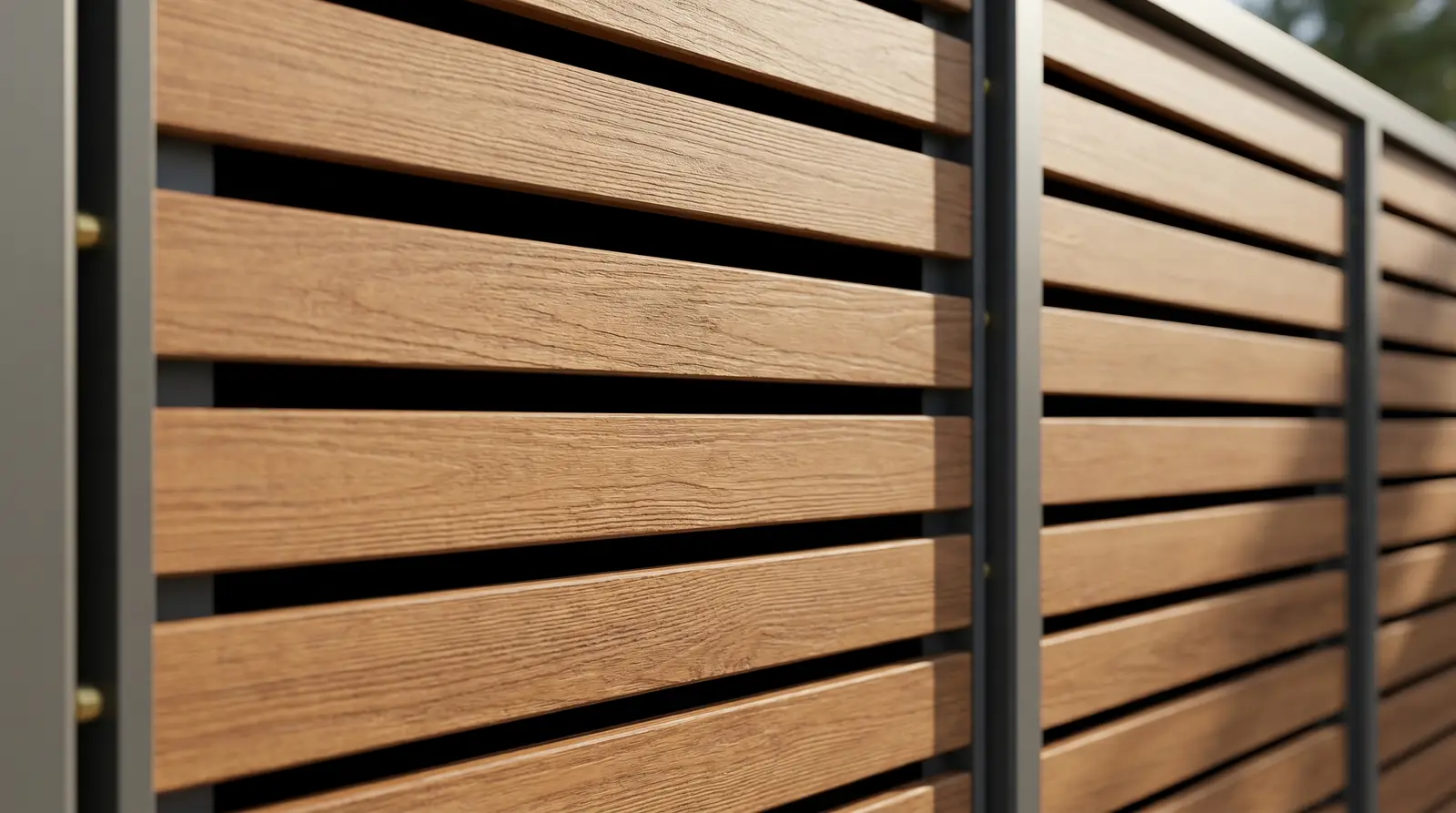
WPC stands for Wood Plastic Composite: wood flour or fibre blended with plastic — usually PVC or PE — plus additives such as UV inhibitors and coupling agents, then extruded into battens or boards. More wood content means a more natural texture, but too much makes the board absorb moisture, so every manufacturer runs its own recipe.
WPC versus real timber
The decisive difference is moisture. Timber swells when wet and checks as it dries; WPC absorbs very little and holds its shape through the rainy season. Termites ignore it and it never needs annual sanding or oiling. Against that: the touch is not quite real wood, the shade may shift slightly in the first year, and dark boards run hotter in direct sun.
WPC versus other synthetic boards
Thailand’s market has at least three groups sold under the same "composite wood" label. Fibre cement is cement plus fibre — strong and non-combustible but heavy and brittle. All-plastic boards such as PVC foam are cheapest but visibly plastic. WPC contains real wood, giving a more natural grain and feel, and sits between the two on price.
Where WPC works
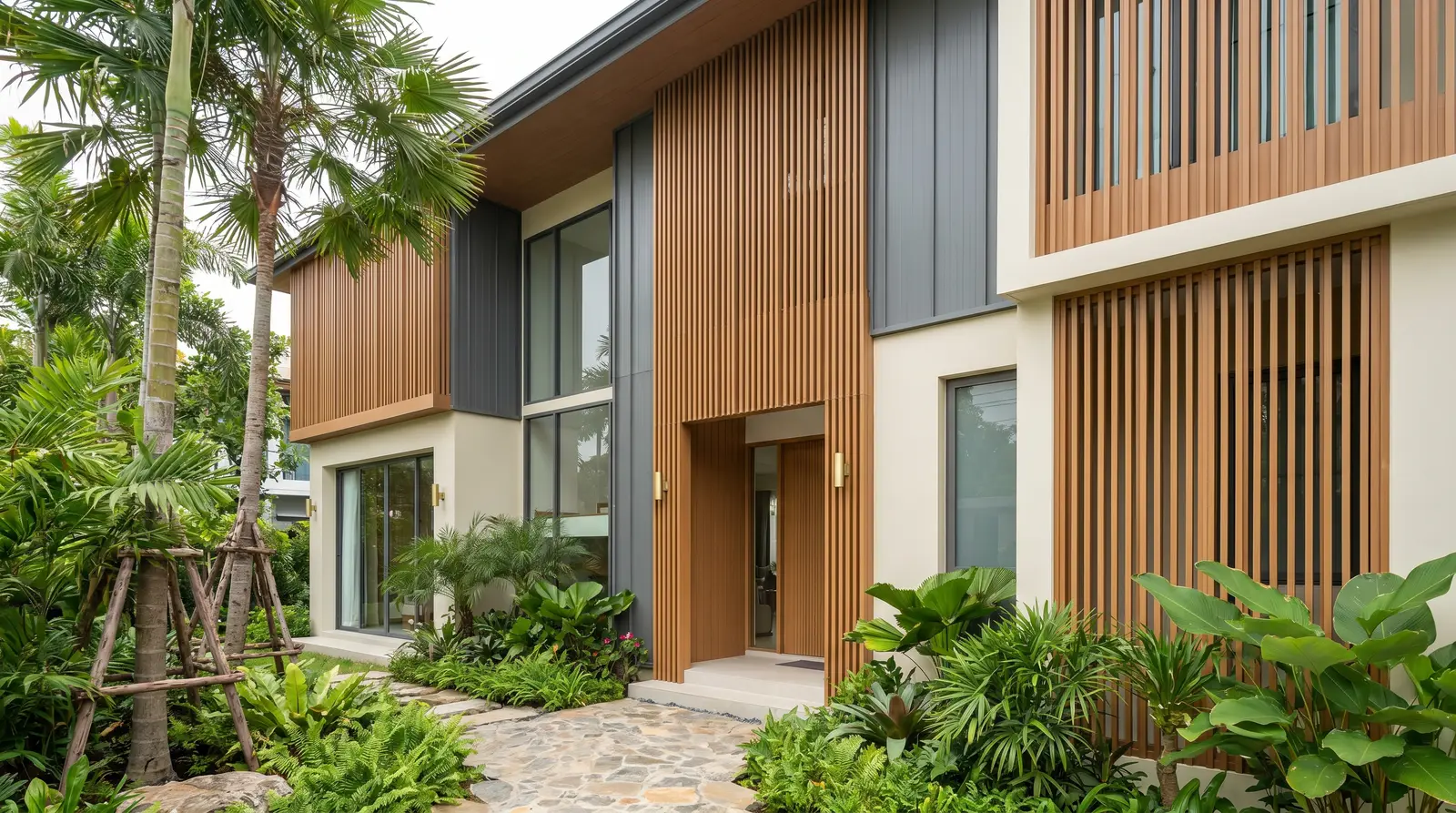
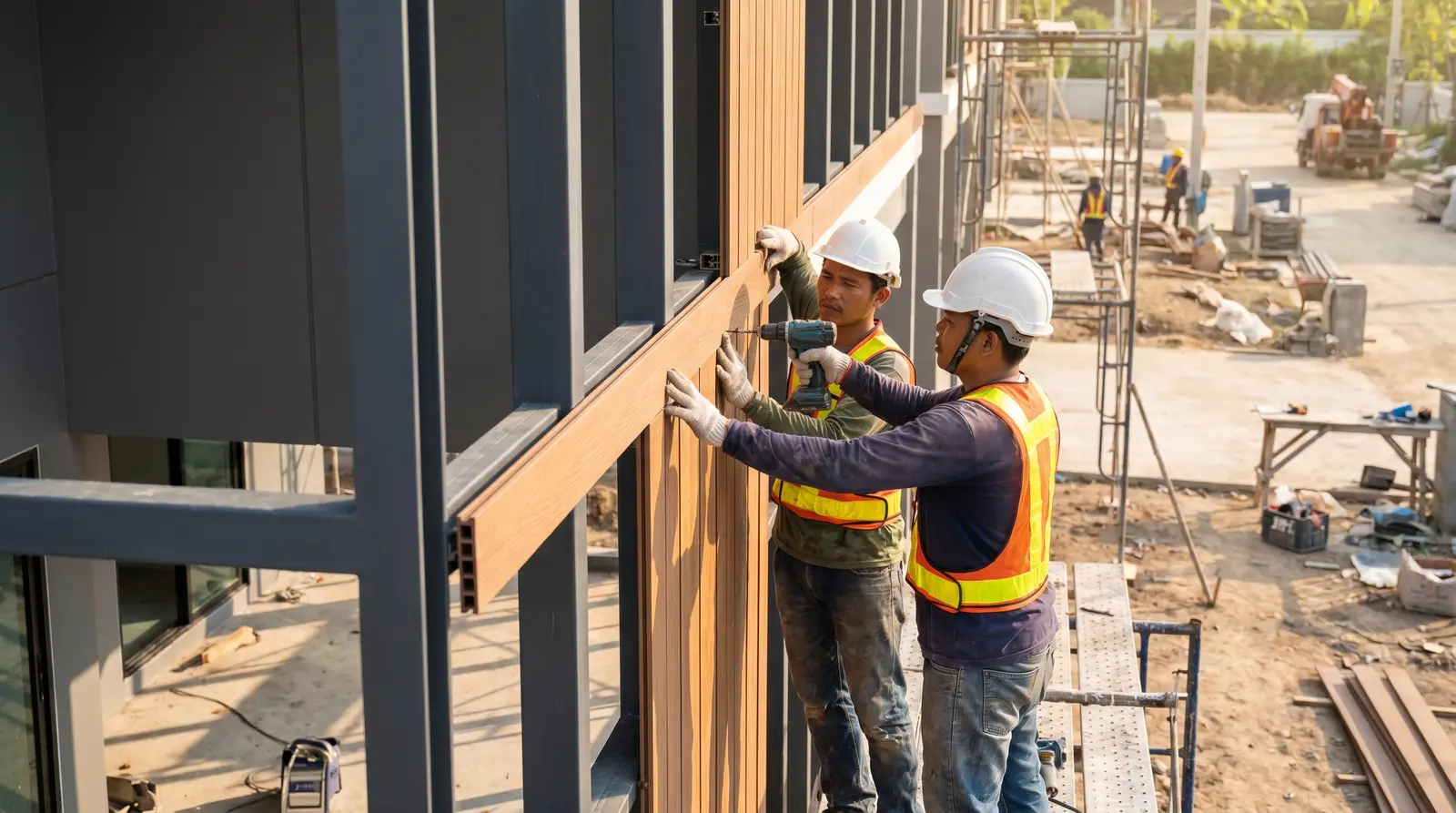
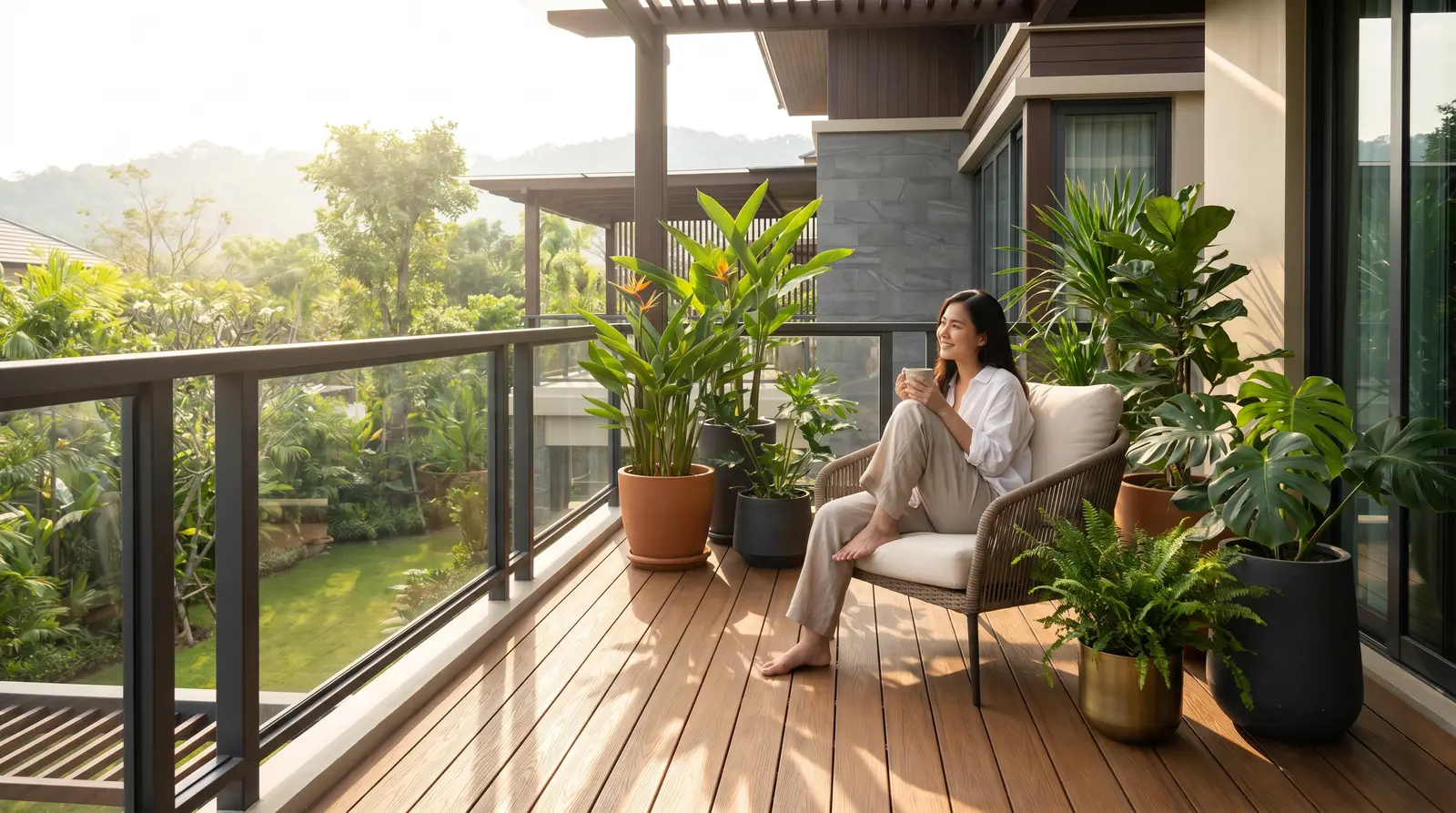
Exterior wall cladding, eaves and under-awning soffits, balcony and poolside decking, fence and gate infill, privacy screens and commercial facades. Where to be careful: permanently submerged areas, heavy industrial floor loading, and anything structural — WPC is a finish, not a structural member, and always needs a steel frame behind it.
How to judge the grade
Ask three questions. Does it contain UV inhibitors — that determines how fast colour fades. Is the profile solid or hollow, and how thick — solid is stronger but heavier and dearer. Is the surface plain grooved or co-extruded capped — capped resists scratching and staining far better. In Thailand the common tiers are premium (SCG), standard (VG) and budget imported grades.
Real cost and lifespan
Installed WPC in Thailand starts around 1,190–5,500 THB per square metre including the steel frame and labour, depending on work type, grade, thickness and working height. Lifespan comes down to grade plus frame quality — in practice, jobs that fail early fail at an unprotected steel frame, not at the boards, so the frame is the wrong place to save money.